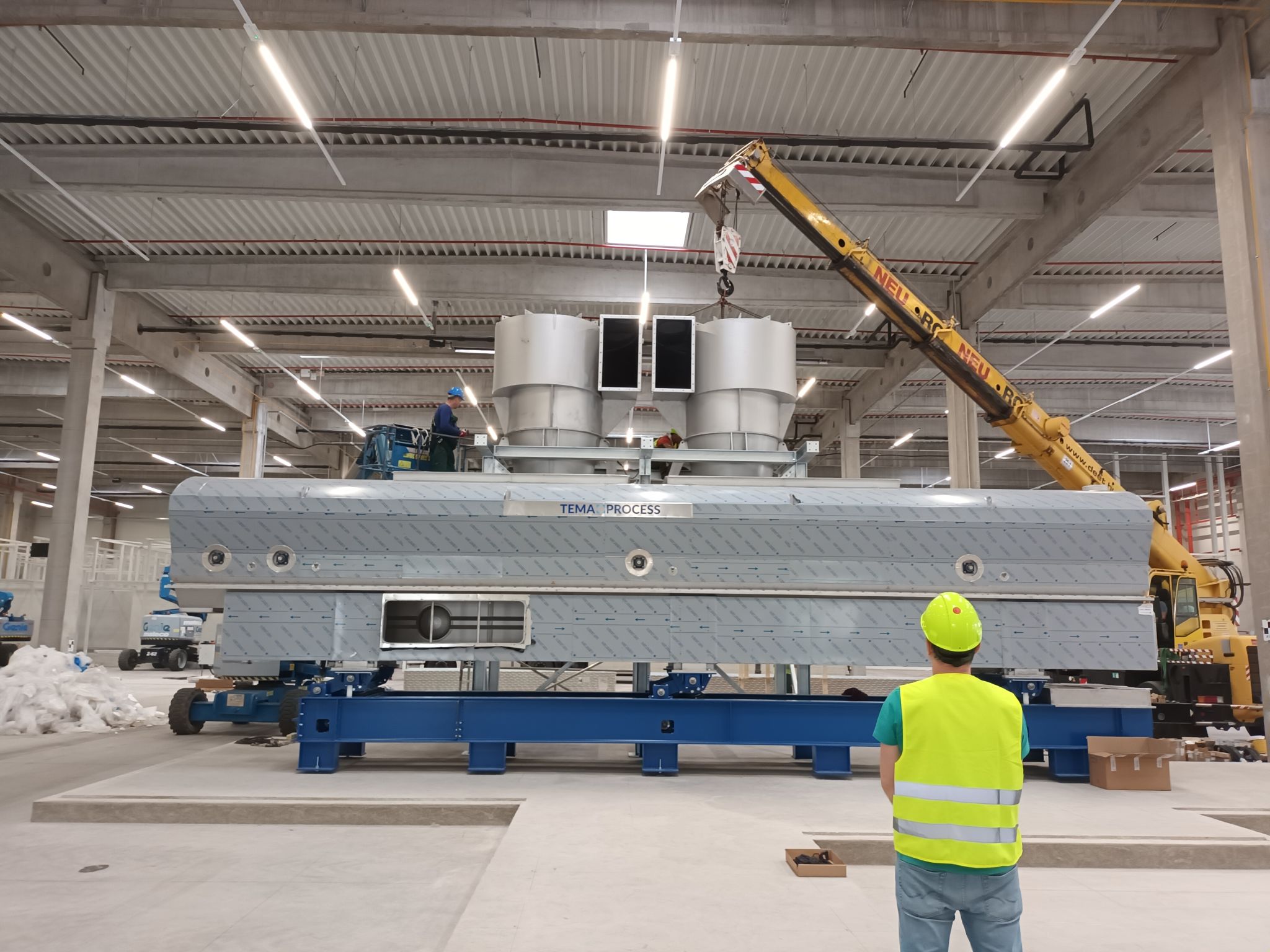
Whether you’re in the chemical, food processing, or mineral industry, a TEMA Fluidized Bed Dryer/Cooler (FBD) is a high-performance system — but it only delivers optimal results if installed and commissioned properly.
Below is a concise technical overview of what’s required for successful installation and integration:
1. Site Preparation
-
Proper foundation (typically concrete)
-
Utility checks: compressed air, steam/electricity/gas, cooling water, exhaust
-
GMP zoning or hygienic requirements (for food applications)
Tip: Ensure sufficient space around the unit for maintenance access and optimal airflow.
2. Mechanical Installation
-
Position dryer housing, air distributor, and ductwork
-
Install air handling units (fans, heaters), cyclones, or bag filters
-
Connect product feed and discharge systems (e.g., rotary valves or conveyors)
Note: Ensure proper alignment, air-tight seals, and insulation where needed.
3. Electrical & Controls
-
PLC and HMI integration
-
Install sensors for temperature, pressure, airflow, and level
-
Use variable frequency drives (VFDs) for fans and feeders
-
Include safety systems: interlocks, emergency stops, and alarms
Important: Test control logic, alarm functionality, and PID loops before live operation.
4. Heating/Cooling System Connection
-
Connect gas, steam, electric, or thermal oil heating elements
-
Install chilled water loops for cooling zones
-
Verify flow direction, check for leaks, and allow for thermal expansion
5. Instrumentation & Calibration
-
Calibrate all sensors (temperature, pressure, humidity)
-
Verify balanced airflow across the fluidized bed
6. Commissioning
-
Perform dry run (without product): test fluidization, heating, cooling, and airflow distribution
-
Simulate feed and discharge system behavior
-
Conduct airflow balancing and leakage checks
7. Validation (GMP Environments)
-
Execute IQ/OQ/PQ protocols (Installation, Operational, and Performance Qualification)
-
Measure drying curves, moisture profiles, and residence time
-
Confirm cleanability and compatibility with CIP/SIP procedures
Final Thoughts
Installing a fluidized bed dryer is not just about placing equipment — it’s about integrating the system into your broader process, control infrastructure, and quality framework.
A successful installation requires:
-
Early cross-functional coordination (process, automation, QA, validation)
-
Thorough commissioning and documentation
-
A solid understanding of fluidization behavior and system dynamics