

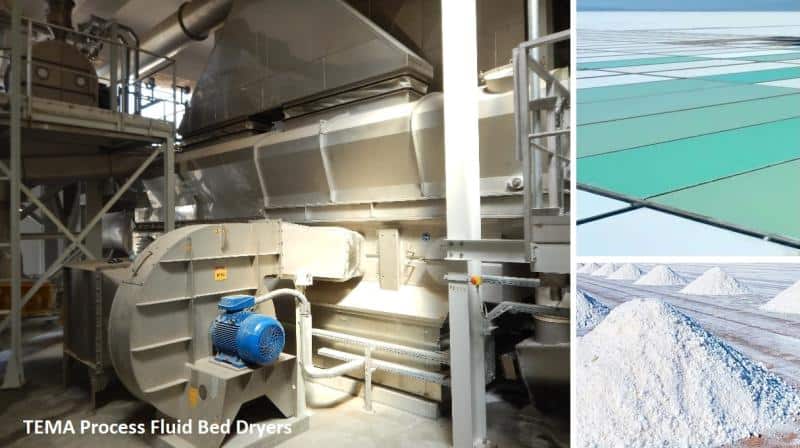
Lithium hydroxide and lithium carbonate Fluid Bed Dryers
Lithium is mainly destined for the fast-growing lithium-ion battery market, which is driven by the increasing demand for electric vehicles and energy storage worldwide. The lithium containing brine is pumped into evaporation ponds, concentrated, and then purified on its way through the system. The brine is pumped through a cascade of ponds where impurities or by-products are crystallized and removed. Lithium hydroxide is a compound [...]
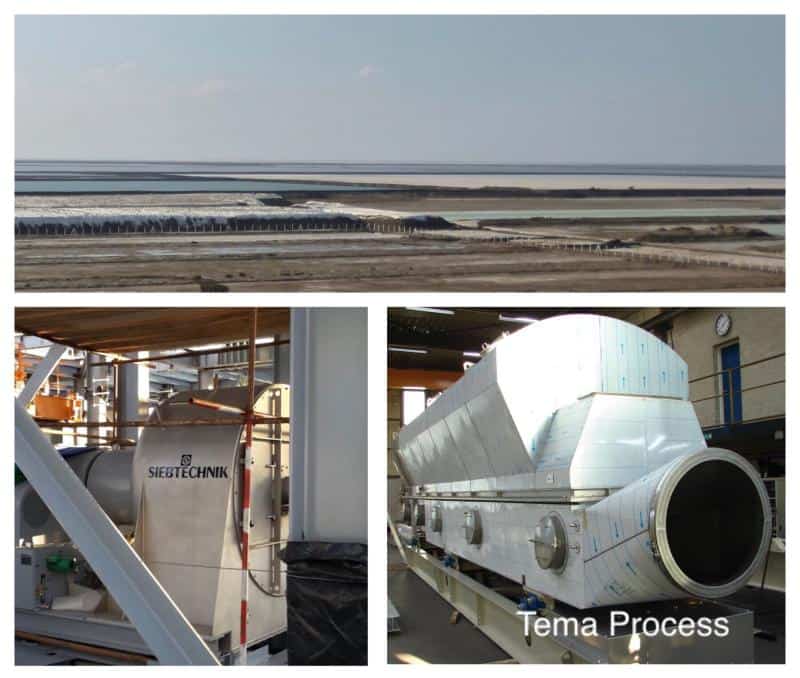
SOP, sulfate of potash (K2SO4) drying
SOP, sulfate of potash (K2SO4) is one of the most common potash fertilizers used by farmers to grow crops. There are operations that produce potash fertilizer by using salt mixtures from natural brines. This requires brine with high sulfate levels that are typically found in salt lakes. The steps in the processing of potash are usually separation, drying and compaction/granulation. In order to prevent and [...]
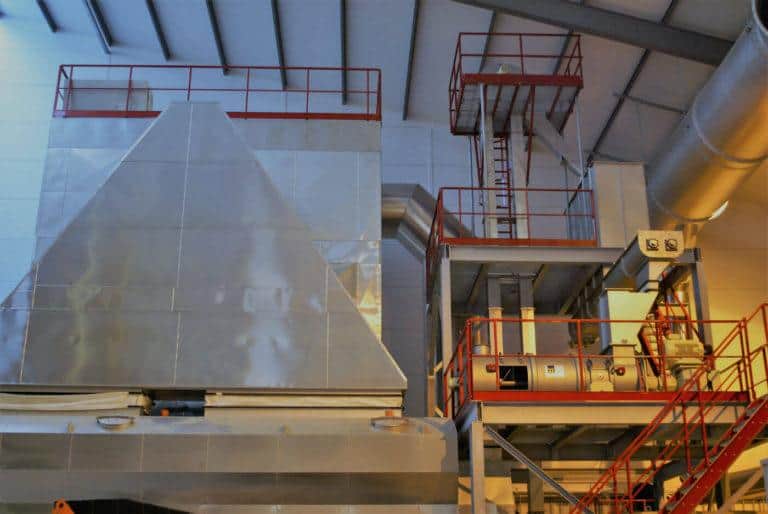
Drying Organic and inorganic fertilizers
Inorganic mineral fertilizers: Fluid bed dryers are widely used for the large scale production of inorganic fertilizers like potash, nitrate, calcium and magnesium. For corrosive elements materials of construction applied for inorganic fertilizer dryers and filters are AISI-304, AISI-316 and 904L. Organic fertilizers: Resulting from agricultural processing, organic fertilizer is an enhanced final product derived from agricultural waste streams. TEMA process has a vast experience [...]
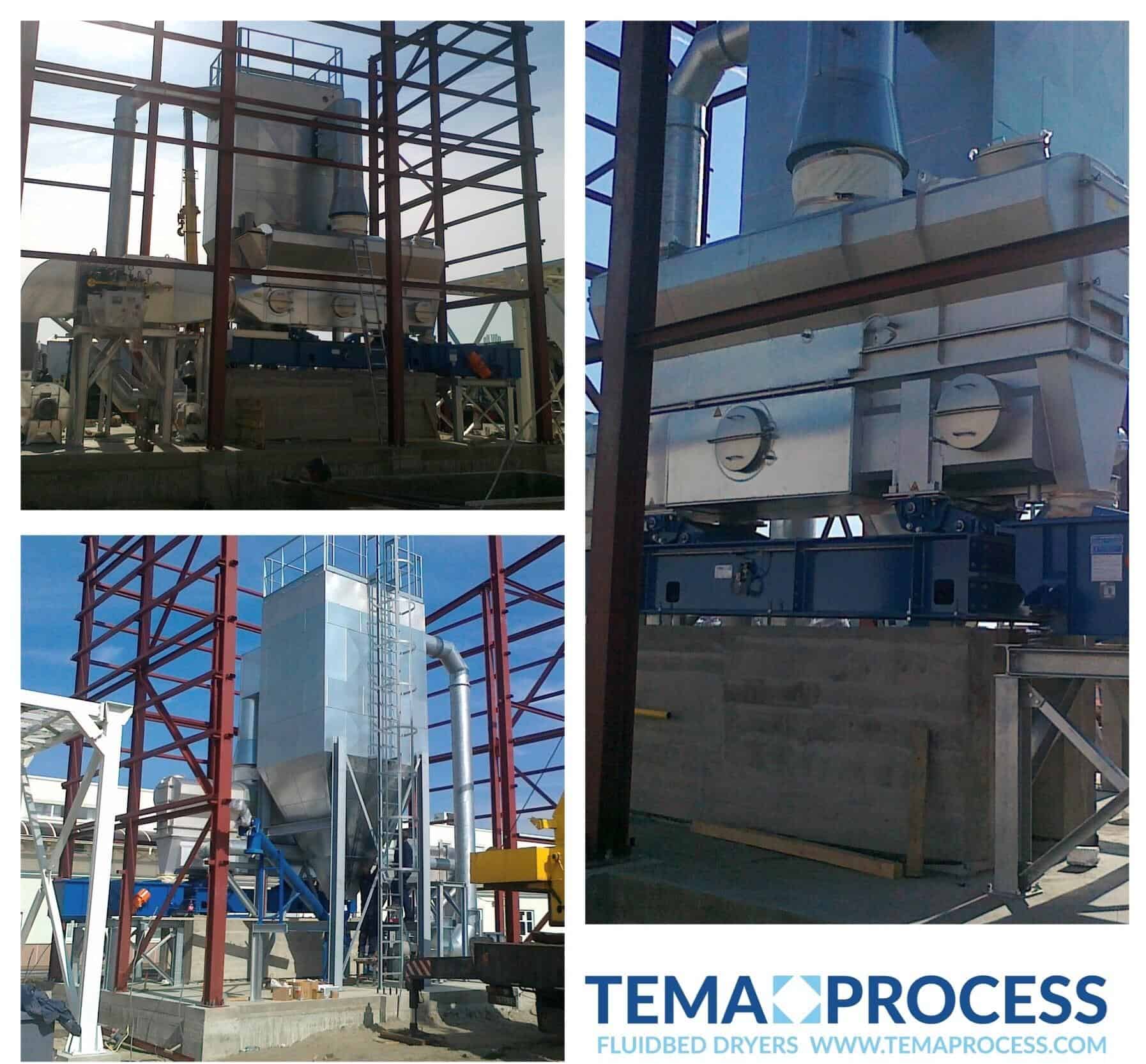
Erection and commissioning of a sand dryer
Erection and commissioning of a sand dryer: We offer assistance with erection and commissioning of the fluid bed dryer equipment. Also we can give operator training, technical/maintenance training, machine process training and safety training. Our fluidized bed dryers are constructed from the highest quality materials and are guaranteed to provide a lasting return on the investment. The mineral dryers operate at temperatures up to 600° [...]
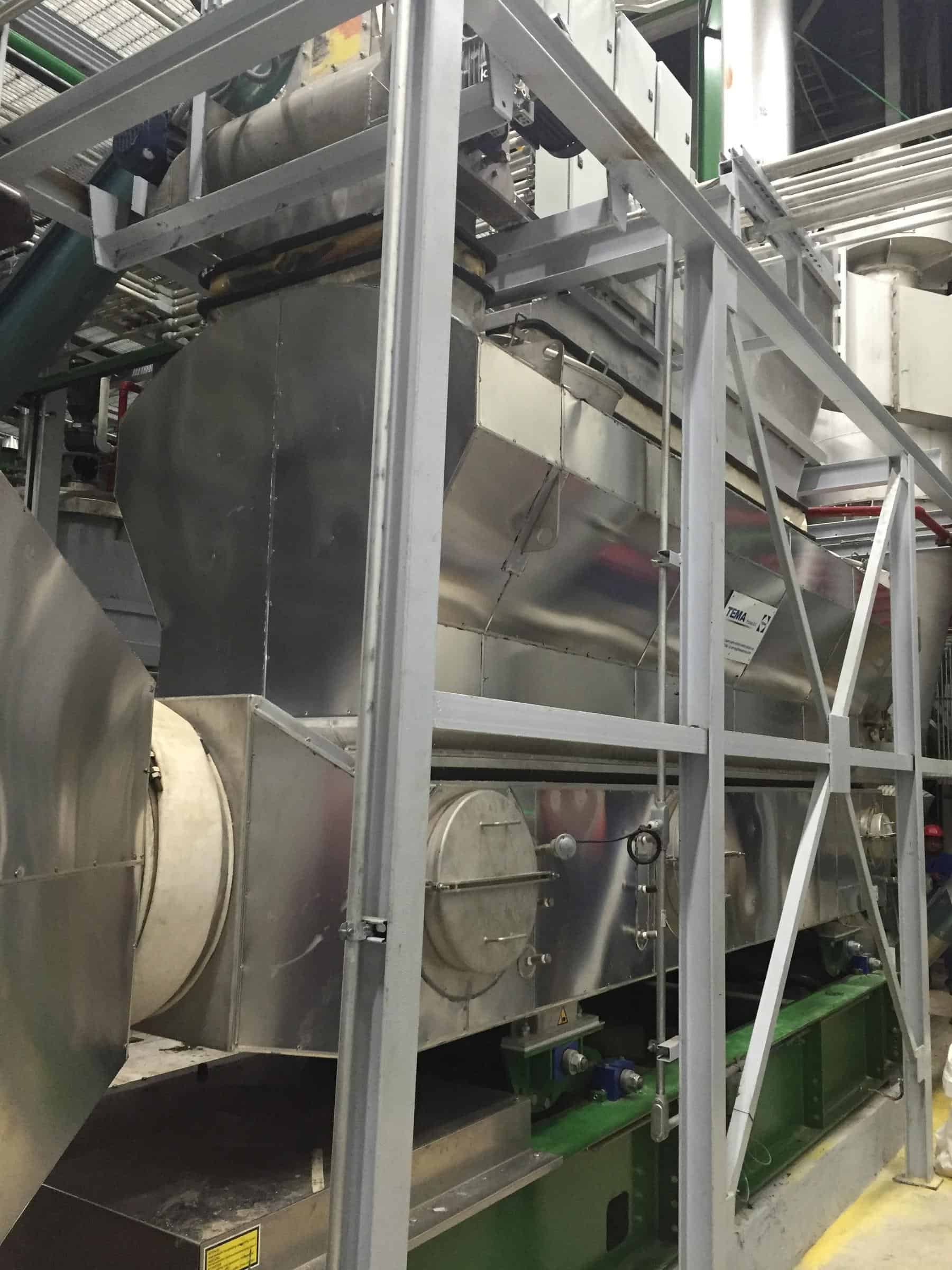
Citrus peel and pulp fluid bed dryer
Citrus peel and pulp fluid bed dryer ! The TEMA Process Fluid bed dryers are widely used to dry orange and lemon peels and offer advantages such as good mixing of solids, high heat and mass transfer rates, ease of operation and maintenance and lower capital costs.
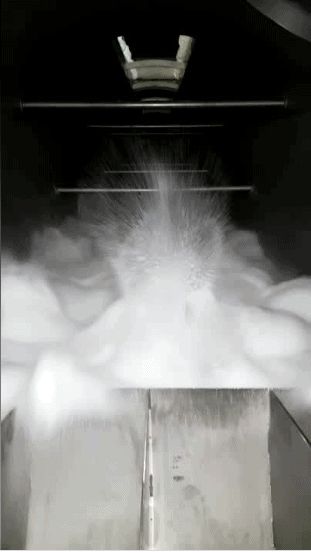
Salt drying
Salt Drying. Weather produced by natural evaporation in ponds, or mined as rock salt, in the upgrading process to clean salt crystals, salt drying is a crucial step. Tema Process supplies advanced fluid beds for salt drying applications ( sea-salt, rock salt , vacuum salt or brines) in a large range of capacities , manufactured in corrosion resistant AISI-316 and other grades. Smart designs for [...]
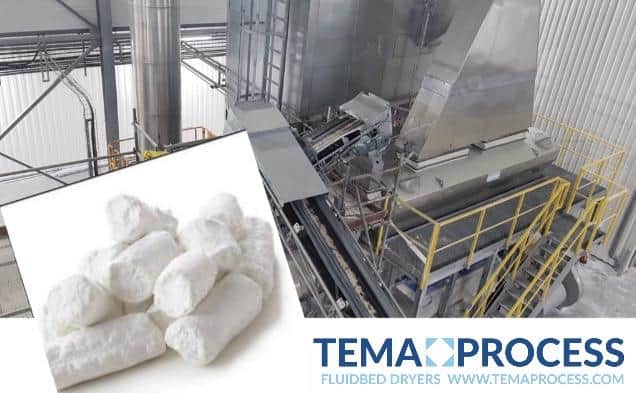
Clay drying on a Tema Fluid Bed Dryer
Clay Drying on a Tema Fluid Bed Dryer: Clay is defined as a natural, earthy, fine-grained material, largely of a group of crystalline hydrous silicate minerals known as clay minerals. Clay minerals are composed mainly of silica, alumina, and water, but they may also contain appreciable quantities of iron, alkalies, and alkaline earths. Clay is formed by the mechanical and chemical breakdown of rock. Clays [...]
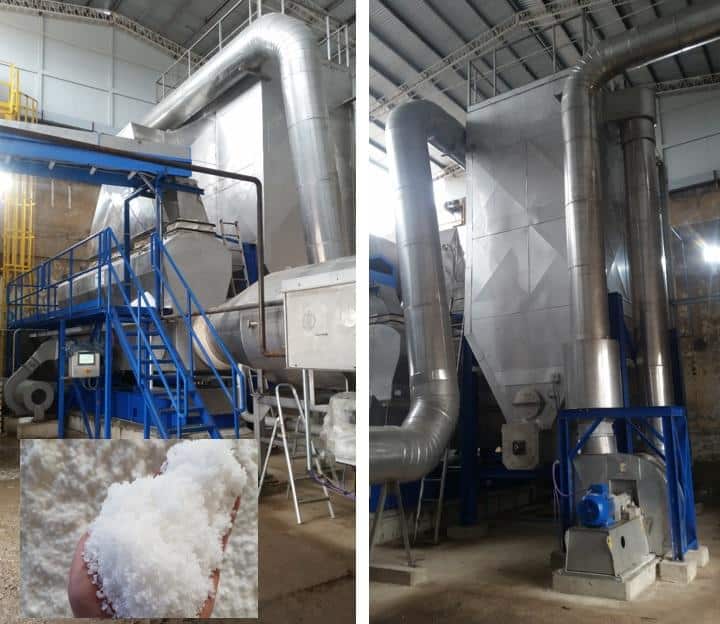
SEA Salt drying
SEA Salt drying: Sea salt is a natural salt originating from the evaporation of sea water by the effect of sun and wind that crystallizes into grain sea salt collected by mechanical system, without any other process that alters its natural properties and original chemical composition. Depending on the moisture content and the size of grain, the sea salt can be classified into Wet Sea [...]
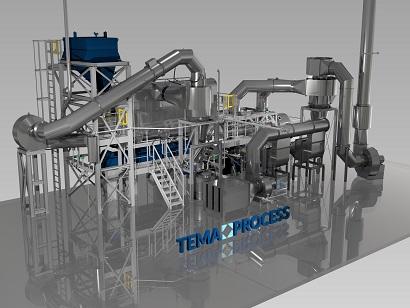
Seed treatment without chemicals
Seed treatment without chemicals (crop protection): As an alternative to chemical treatment, seeds can be treated thermally for increased pest resistance. A thermal treatment uses heat and moist air. The seeds used by farmers need to be protected from attacks from bacteria or fungal diseases that make cultivation less efficient in various ways. Poorer seed quality results in poorer harvests and infestation leads to poorer [...]
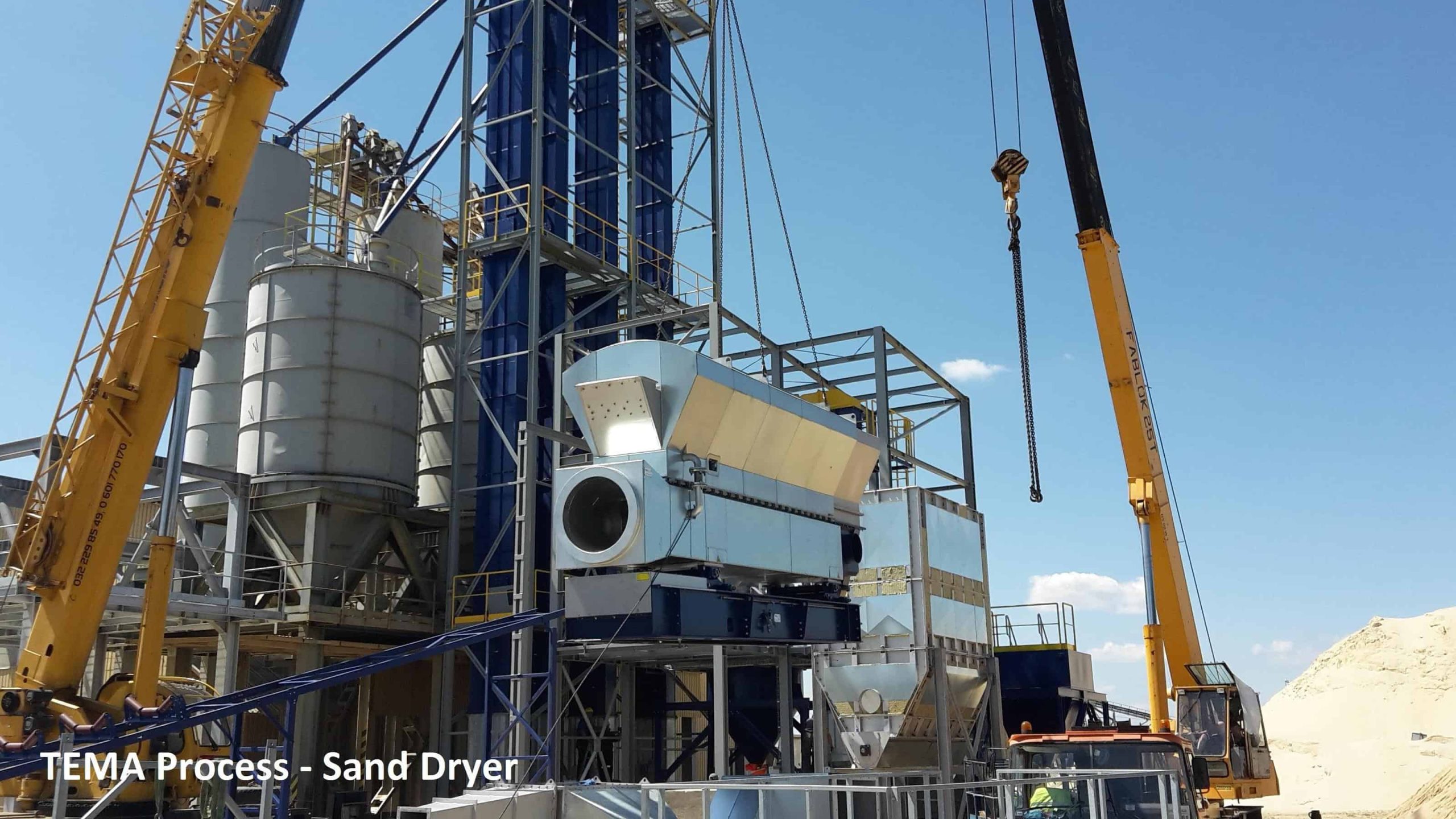
Sand dryer: Sand drying
Sand dryer: Typically, sand is mined, washed and screened and stored in piles with various grades. The sand needs to be dried to the required moisture content before it can be sold or further processed. Silica sand is quartz that over time, through the work of water and wind, has been broken down into tiny granules. Silica sand is the primary component of all types [...]
Tags
Interested?
Exploring options for your process? TEMA Process is here to assist. Whether you have specific questions or need guidance in selecting the right solution, our experts are just a call or email away. Leave your contact details, and one of our specialized team members will promptly get in touch. They’ll provide you with all the necessary information about our advanced solutions, tailored to meet your unique requirements. Let TEMA Process be your partner in achieving optimal product quality and safety