

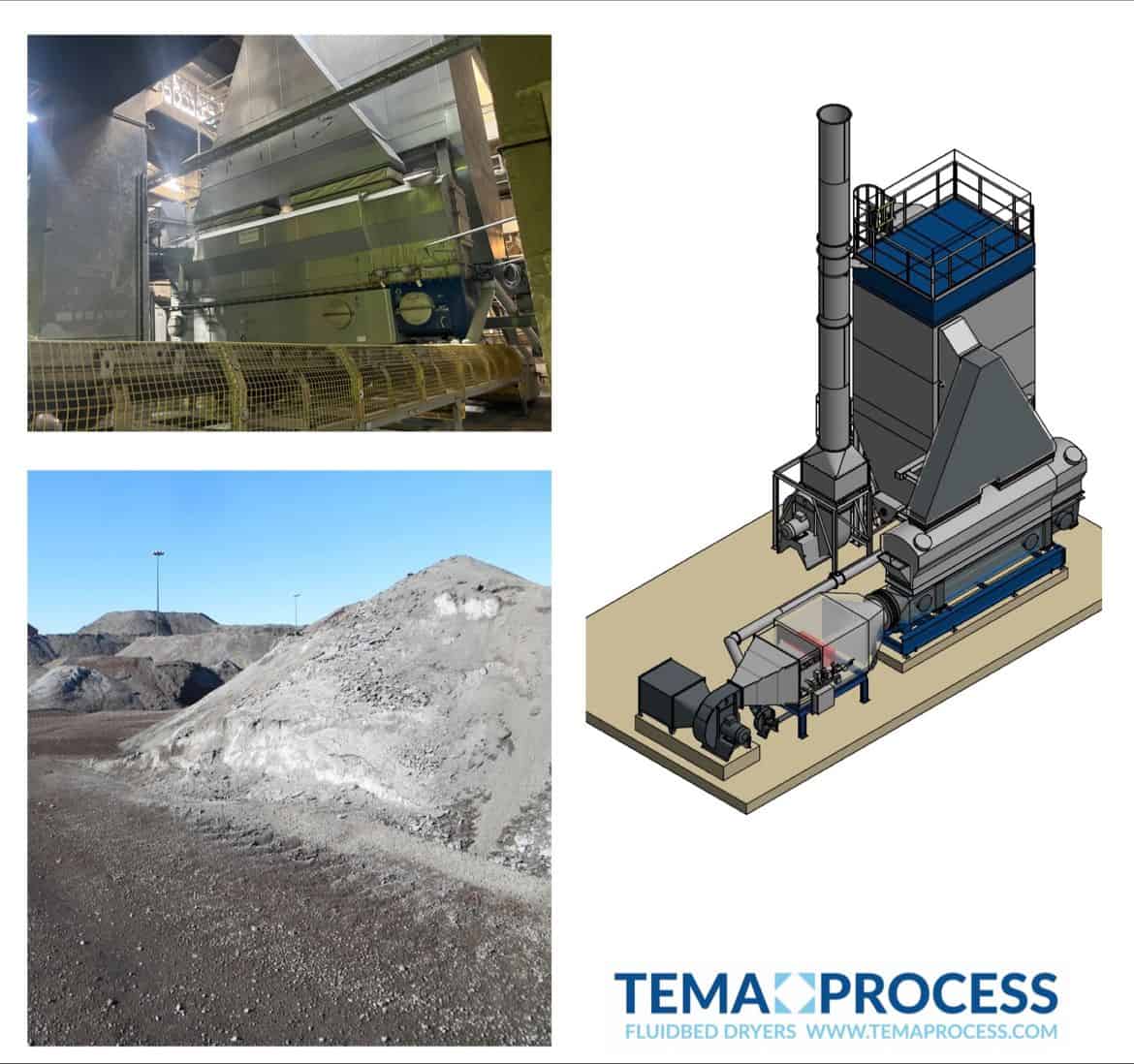
Drying of slag sand
Slag is a by-product of smelting (pyrometallurgical) ores and used metals. The meaning of slag sand is slag crushed into fine particles and is used especially in mortar or concrete. Slag sand is a good alternative to river sand, say experts. The uses of industrial waste as a substitute material helps save a large share of natural resources and protect the environment. Slag sand is [...]
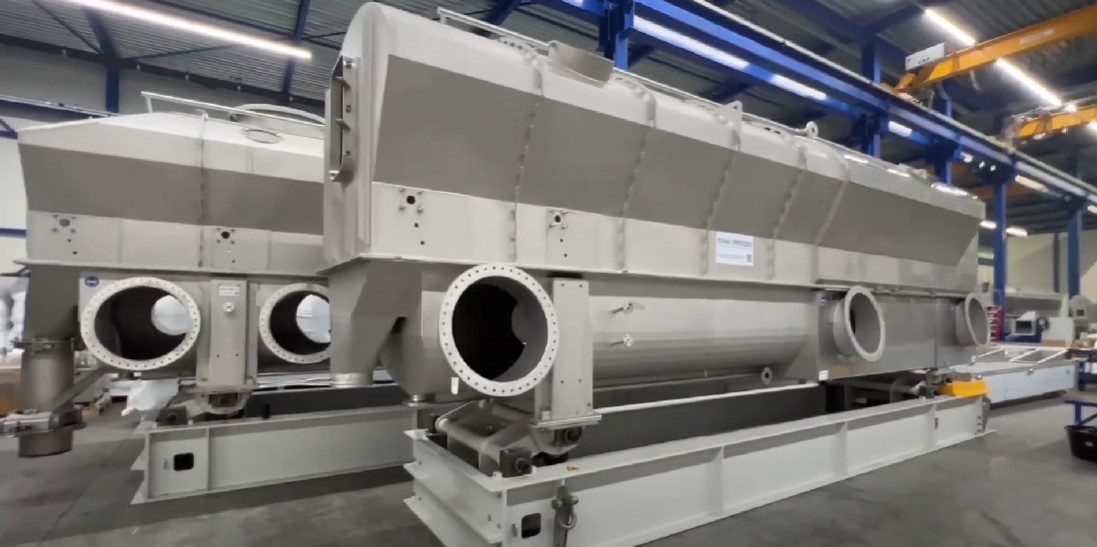
LiOH and Na2SO4 dryers ready for transport
LiOH and Na2SO4 dryers ready for transport ! Lithium hydroxide (LiOH) enables the production of batteries for electric vehicles (EVs). Spodumene is a mineral consisting of lithium aluminium inosilicate, LiAl(SiO3)2, and is a source of lithium. In the production process lithium hydroxide and sodium sulphate is produced. After separating the solid and liquid by a centrifugal machine the lithium hydroxide (LiOH ) is dried on [...]
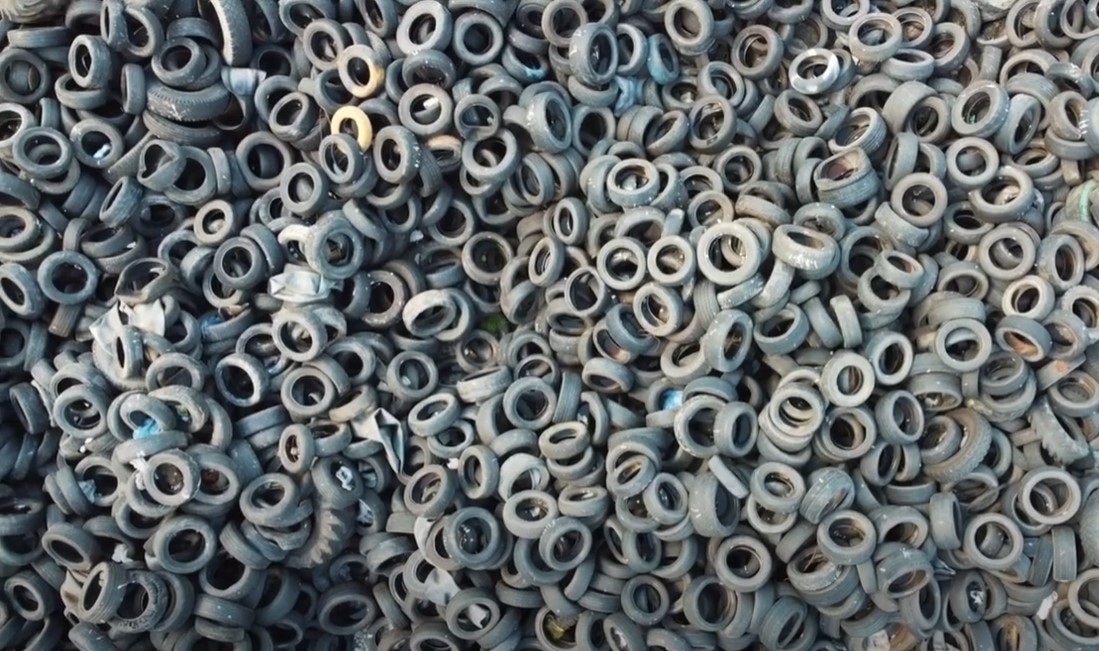
Life for Tyres rCB – Tema Fluid Bed Dryers
With an investment of 30 million euros, the Life for Tyres plant in Puertollano (Ciudad Real) plans to recycle some 27,000 tons per year, 9% of the tires used annually in Spain. Carbon black is a material produced by the incomplete combustion of heavy petroleum products. Traditionally Carbon Black (CB) has been used as both a reinforcing agent and filler in automobile tires. Along with [...]
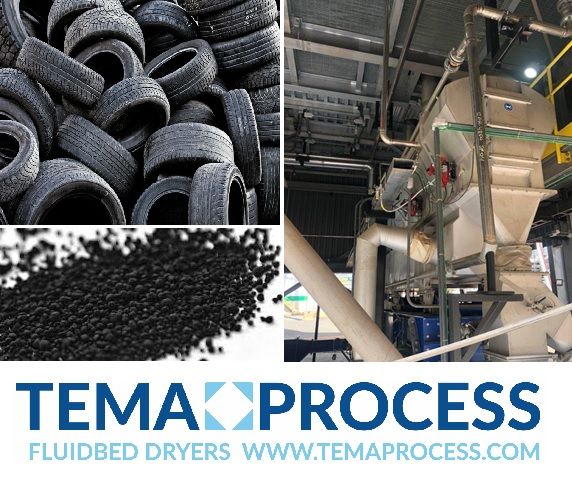
Carbon black fluid bed dryer
Carbon black is a material produced by the incomplete combustion of heavy petroleum products. Traditionally Carbon Black (CB) has been used as both a reinforcing agent and filler in automobile tires. Along with better understanding of CB’s unique properties as a material, it is presently used in a much wider range of applications across a large variety of products – car tires, conveyor belts, inks, plastic [...]
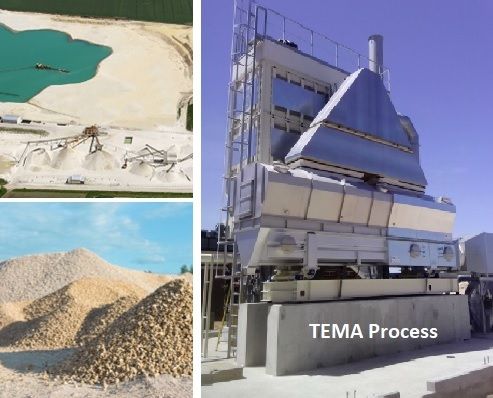
Sand Drying
Typically, sand is mined, washed and screened and stored in piles with various grades. The sand needs to be dried to the required moisture content before it can be sold or further processed. Silica sand is quartz that over time, through the work of water and wind, has been broken down into tiny granules. Silica sand is the primary component of all types of standard [...]
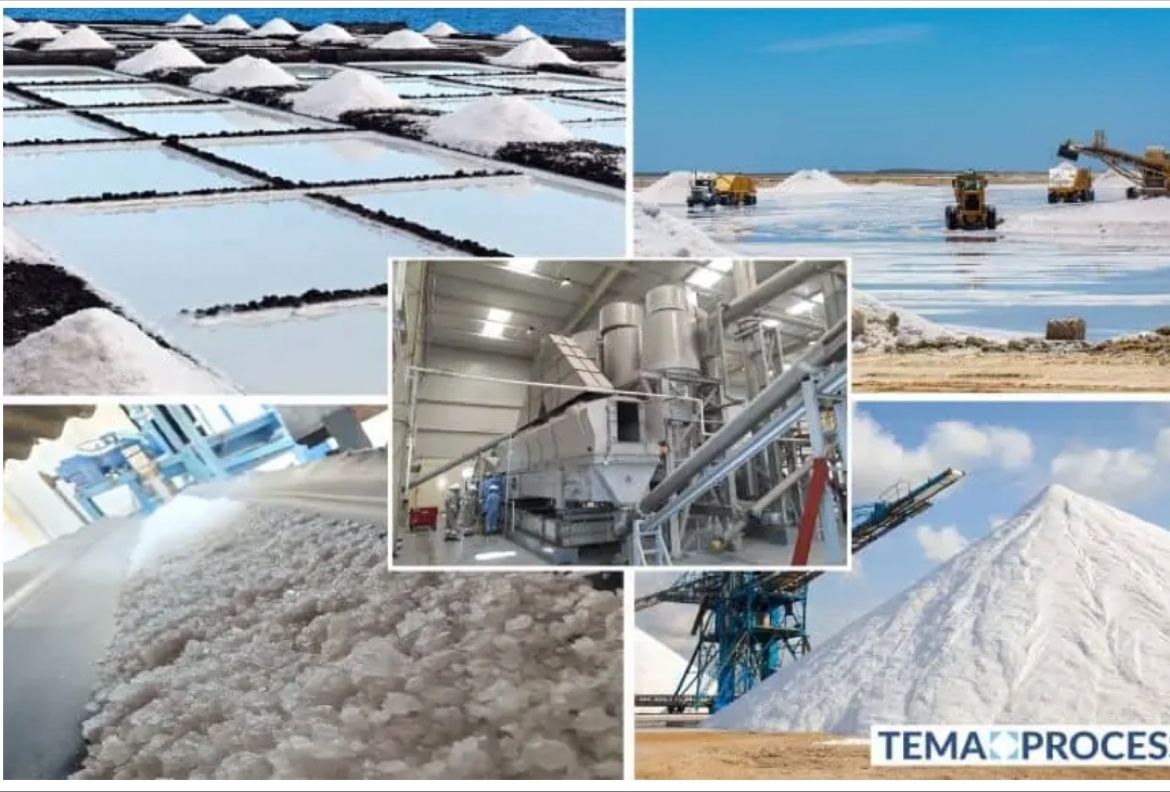
Salt Drying
Tema Process is the liquid/solid separation solution provider for Salt production and processing plants. Salt is the common name for the substance sodium chloride (NaCI), which occurs in the form of transparent cubic crystals. Salt centrifuge The Siebtechnik Tema centrifuges are used for continuous solid-liquid separation and provide a long holding time, low material loss and low crystal breakage. The centrifuge enables the salt to [...]
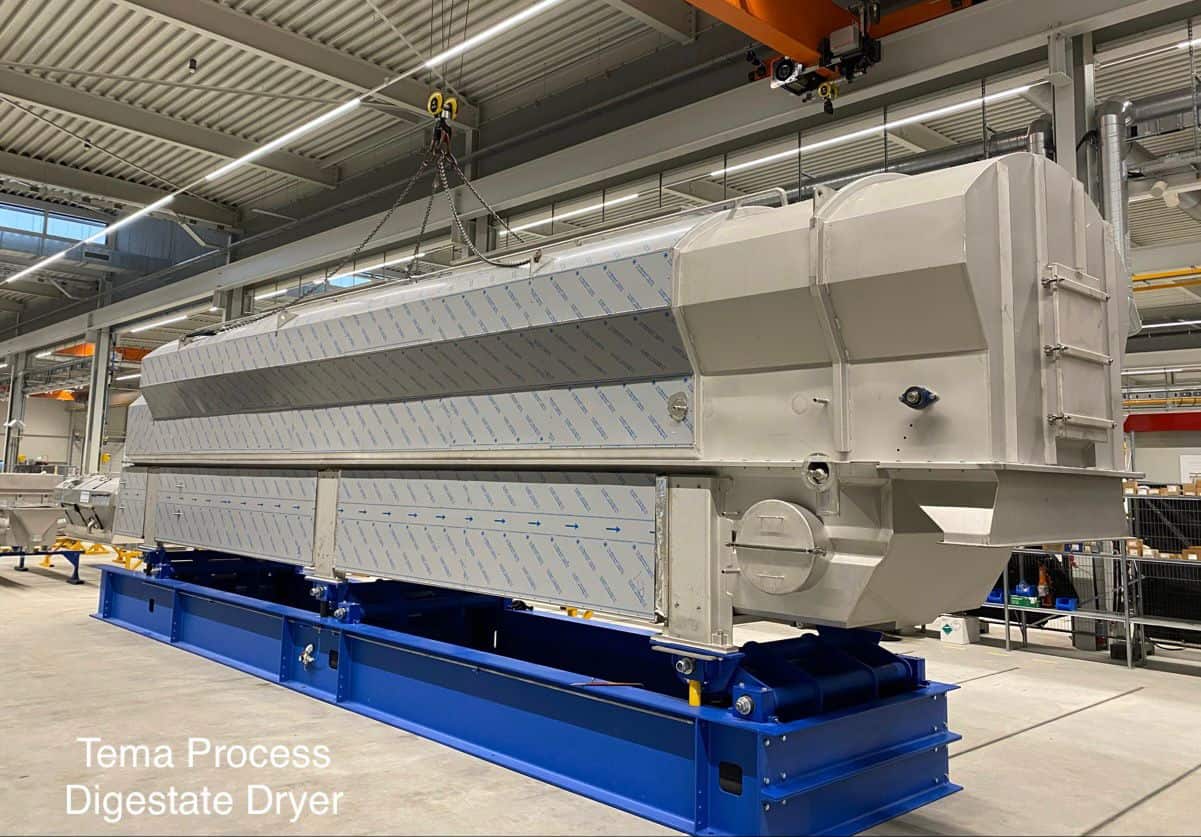
Tema Process: Digestate dryer
Digestate dryer: Anaerobic Digestion (AD) in a biogas plant is a well proven process in which organic matter breaks down naturally in the absence of oxygen to produce two valuable products - biogas and digestate. Biogas is an extremely useful source of renewable energy, whilst digestate is a highly valuable biofertiliser. Digestate is an organic fertiliser product that is mostly spread to land. The nutrient [...]
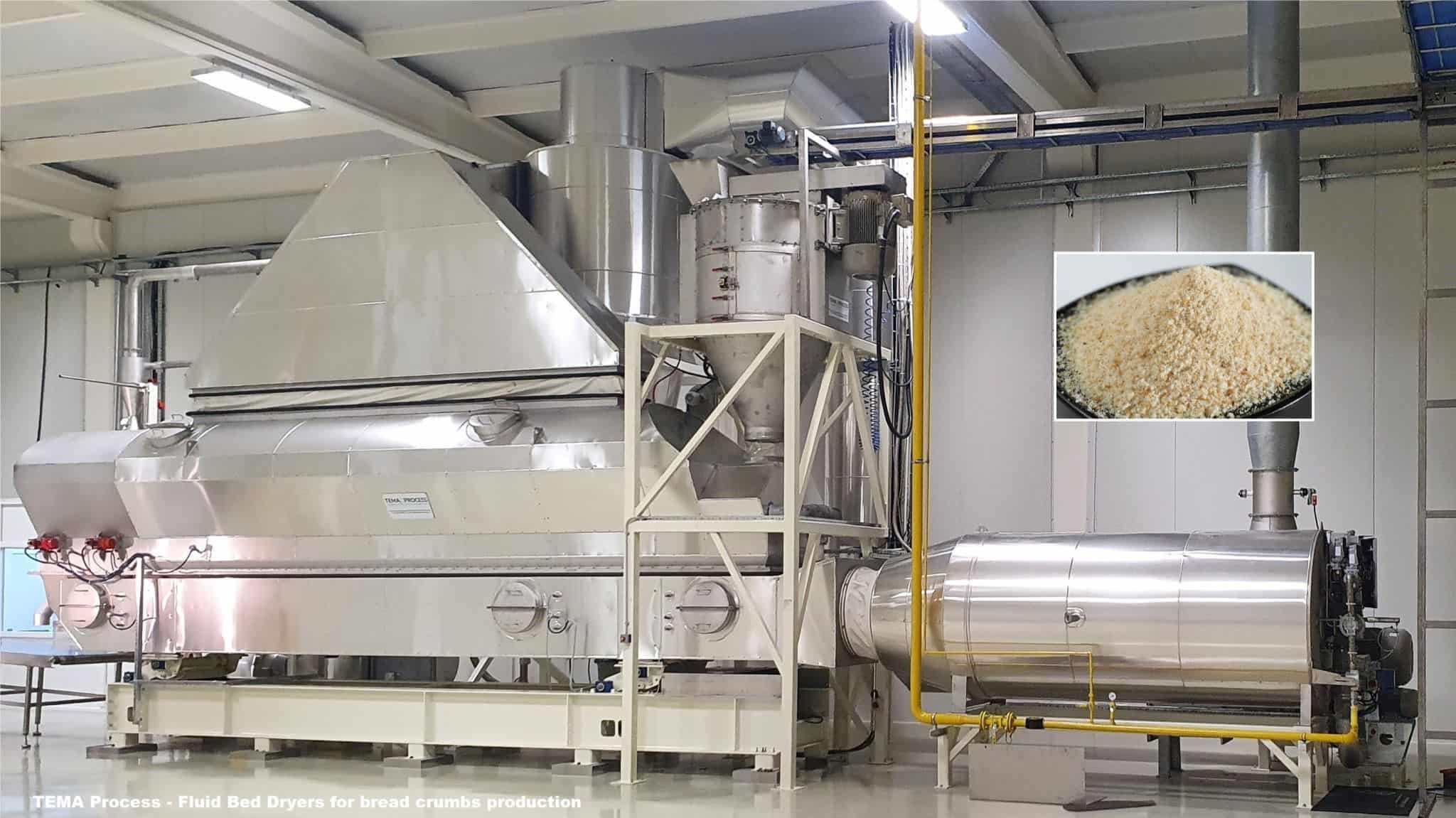
Fluid Bed Dryers for the production of bread crumbs
Tema Process received 3 orders from clients in Poland and Czech Republic for the delivery of fluid bed dryers for the production of bread crumbs. Bread crumbs or breadcrumbs (regional variants including breading and crispies) consist of crumbled bread of various dryness, sometimes with seasonings added, used for breading or crumbing foods, topping casseroles, stuffing poultry, thickening stews, adding inexpensive bulk to soups, meatloaves and [...]
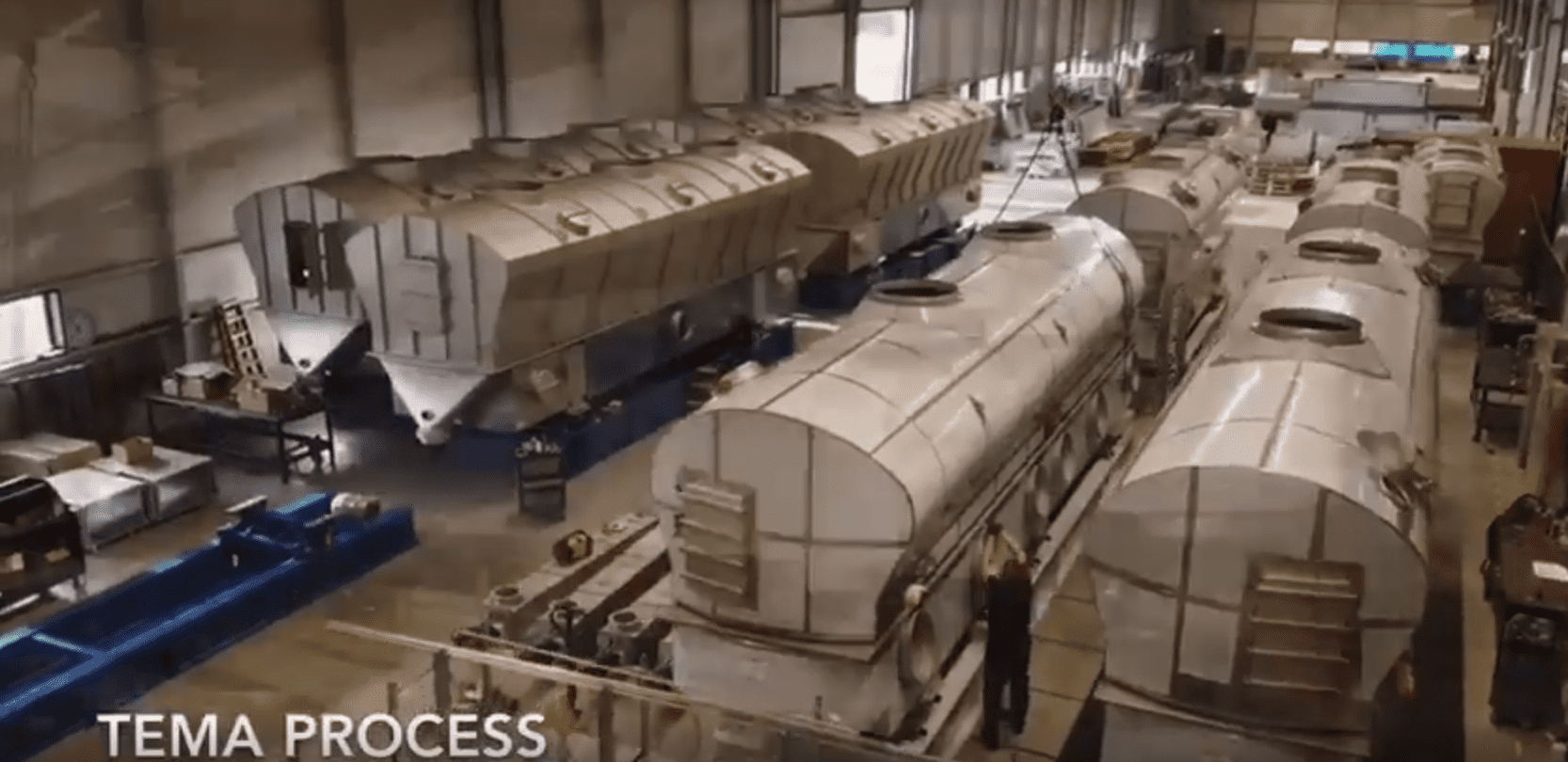
Fluid Bed Dryer for Sand
Sand drying: a fluid bed dryer processes granular, free-flowing materials include sand, minerals, clays, etc. In a fluid bed, the material being dried is suspended and completely surrounded by the drying air or gas, causing that material to behave like a fluid. Besides keeping the material in a seemingly liquid state, the gas stream is the media for heat and mass exchange. As a result [...]
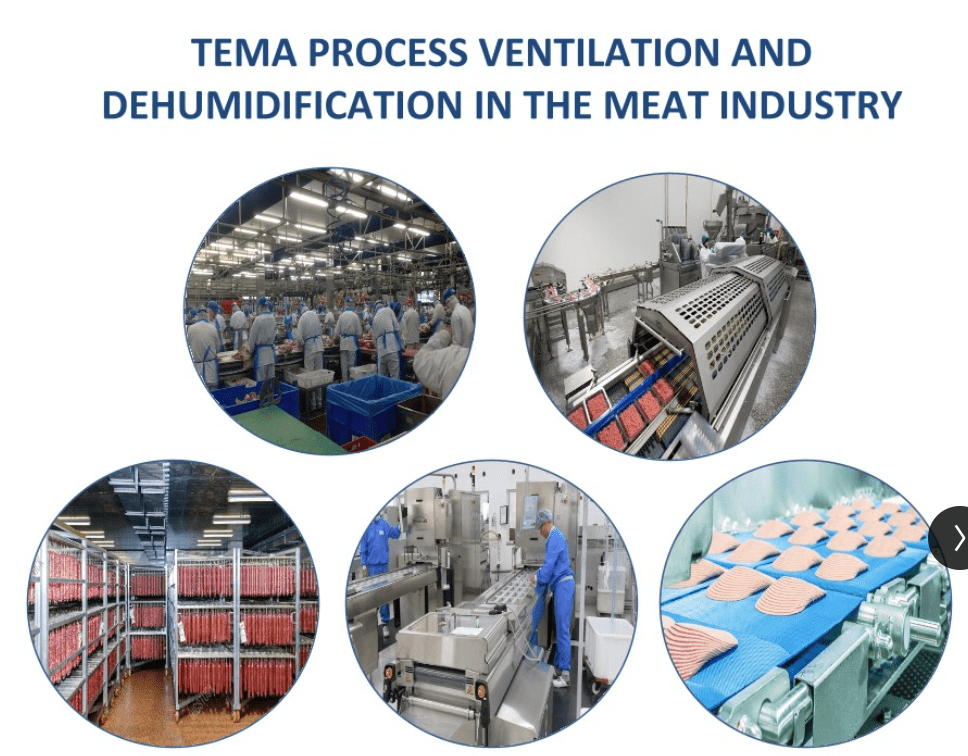
The Tema Process ventilation and dehumidification solution
Humidity problems in meat processing plants. Humidity, condensation and water are a serious risk. Both temperature and humidity levels inside a meat processing plant should be kept as constant as possible. It sounds simple, but the following characteristics continuously vary: outside weather conditions, rooms are periodically cleaned using water, personnel are at work and different products are processed. As most meat factories only control temperature, [...]
Tags
Interested?
Exploring options for your process? TEMA Process is here to assist. Whether you have specific questions or need guidance in selecting the right solution, our experts are just a call or email away. Leave your contact details, and one of our specialized team members will promptly get in touch. They’ll provide you with all the necessary information about our advanced solutions, tailored to meet your unique requirements. Let TEMA Process be your partner in achieving optimal product quality and safety